

Find coverage built to withstand your toughest risks.
Food and beverage businesses need insurance because hot kitchens, busy floors and a steady stream of guests create everyday risks for your team, equipment and customers. Hot oil, sharp knives and wet floors are all part of running a food and beverage business, and insurance is what keeps a normal shift from becoming a big expense.
Most food and beverage businesses need workers’ compensation, general liability and a business owner’s policy (BOP). Together they protect your team, your guests and your equipment.

Workers' compensation
If a cook gets burned or a server slips on a wet floor, workers’ compensation pays for medical care and part of their lost wages. It also protects you if an injured employee files a lawsuit. If you have staff, you'll most likely need a policy.
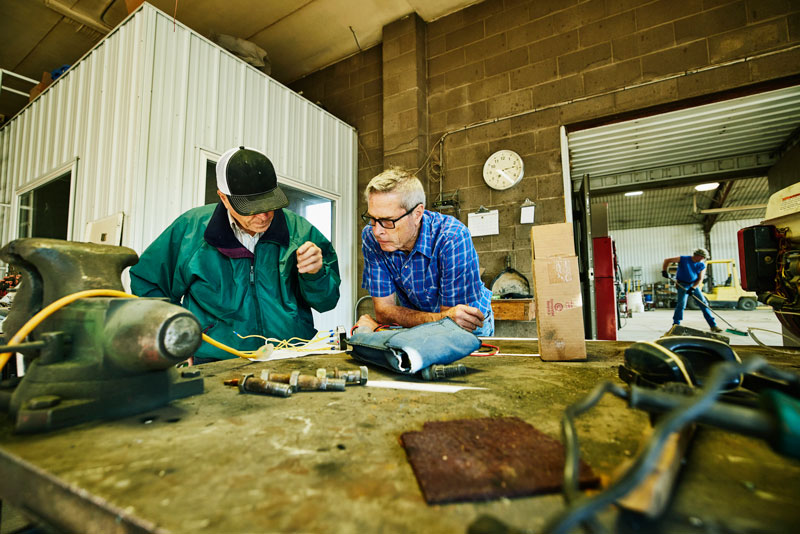
Business owner's policy
A BOP bundles general liability with property and business interruption coverage under a single policy. After a covered loss like a fire, it can help pay to repair or replace equipment and inventory, and replace income while you rebuild.
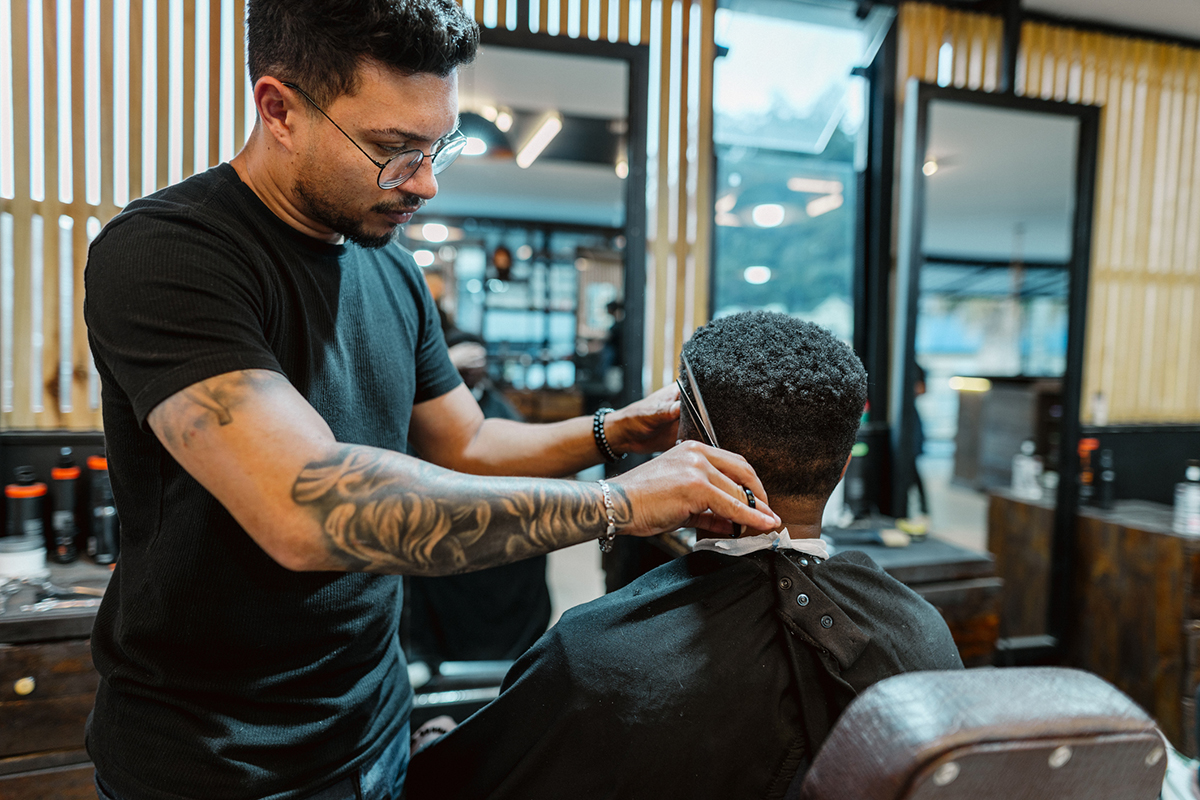
General liability insurance
General liability covers injuries and property damage your business may cause to someone else. If a guest slips near the entrance, it can help with their medical bills, legal costs and settlements, depending on your policy terms.
*Coverage needs vary by business — this reflects commonly needed lines, not a complete list of every policy your business may require.
How much does insurance cost for
Food and beverage
businesses?
Food and beverage insurance costs are dependent on:
• Payroll and number of employees
• Type of business: full-service, counter service, bar or catering
• Whether you serve alcohol
• Your location and state
• Your claims history
• Coverage limits and deductibles
Food and beverage business insurance costs vary, but EverPeak policies start at $18 a month.
What makes EverPeak different from other insurance carriers?
Why choose EverPeak for workers’ compensation coverage?




FAQs
In many states, businesses with employees are required to carry workers' compensation insurance. Other coverage, like general liability, is often required by landlords or client contracts rather than by state law, so requirements vary by state and industry — it's worth confirming your specific obligations.
Often, yes. A business owner's policy (BOP), for example, can bundle property and liability coverage under one plan. Higher-risk or more specialized trades may need additional standalone coverage layered on top, depending on how they operate.
Reach out to our customer service team directly at 833.929.0523, or fill out our contact form, and we’ll point you in the right direction.
Cost depends on your industry, business size, payroll and claims history. Connect with an agent for a quote based on your specific business.
General liability covers third-party bodily injury and property damage claims — a customer's slip and fall in your store, or accidental damage caused by your work. It typically pays for medical expenses, legal defense costs and damages if your business is found responsible.

Ready for insurance that works as hard as your business?
We’ll help you secure the coverage you need.